


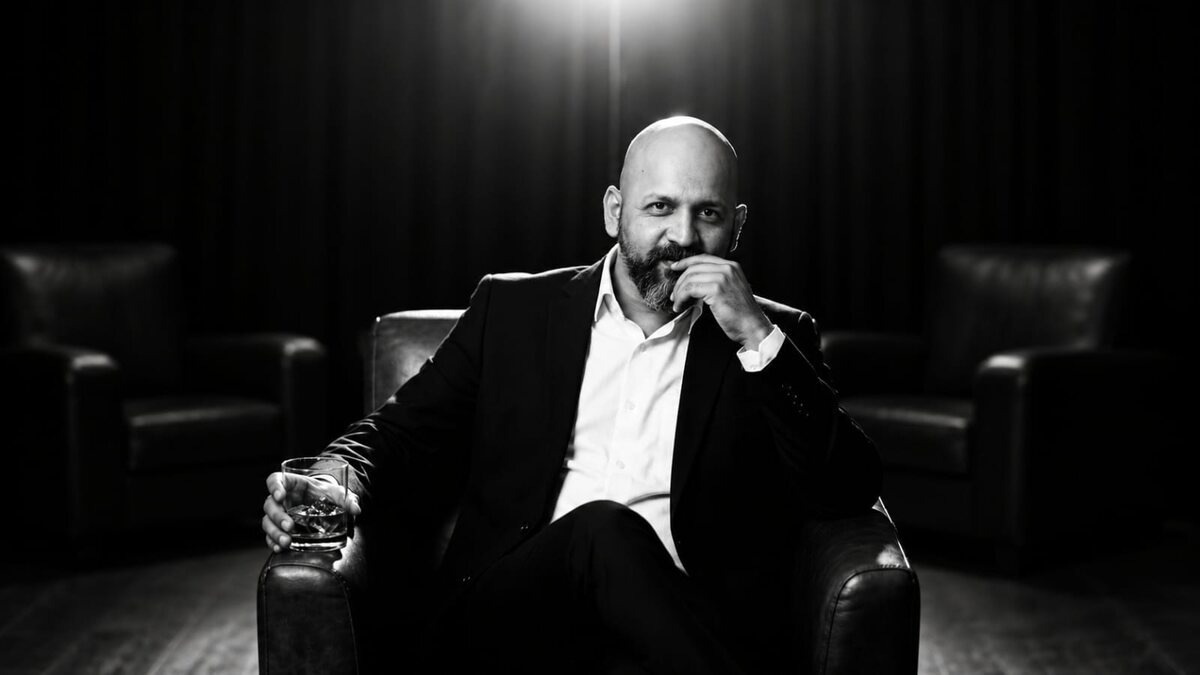
Luxury hospitality is entering its most transformative decade.
For years, the industry measured excellence through visible extravagance—larger lobbies, richer materials, Michelin-starred dining, infinity pools and spas that became increasingly elaborate. While these elements continue to define premium experiences, they are no longer sufficient. The world’s discerning traveller has changed. The luxury of tomorrow will not be judged by what guests can see; it will be remembered by what they can feel long after they leave.
This shift is where I believe the future of hospitality truly begins.
As a designer, I no longer see resorts as destinations for accommodation. I see them as ecosystems that restore people—physically, emotionally, intellectually and spiritually. Architecture must become a silent therapist. Interiors must become emotional landscapes. Nature should not be an accessory surrounding a building; it should become the building’s greatest collaborator.
The next decade belongs to hospitality experiences that are regenerative rather than consumptive.
Our design philosophy starts with a simple question:
Can a resort improve a person’s life instead of merely entertaining them?
If the answer is yes, every design decision changes.
The arrival sequence becomes a transition from the outside world rather than a grand entrance. Corridors become journeys of sensory decompression. Light is choreographed according to circadian rhythms. Water becomes therapeutic instead of decorative. Silence becomes a design material. Even the scent carried by the wind becomes part of the architecture.
These are details guests may never consciously notice, yet they profoundly influence memory.
Wellness, in my opinion, has often been misunderstood.
The hospitality industry has spent years equating wellness with spas, yoga decks and healthy menus. Those remain valuable, but they represent only fragments of a much larger narrative. Tomorrow’s wellness destinations will integrate neuroscience, environmental psychology, biophilic architecture, local craftsmanship, personalised recovery, longevity science and cultural authenticity into one seamless experience. Around the world, luxury hospitality is already moving toward embedded wellness, regenerative landscapes, destination-led experiences and highly personalised health journeys rather than isolated spa offerings.
Design must therefore become invisible.
The finest hospitality spaces are those that never announce themselves. They quietly regulate temperature, acoustics, lighting, movement and emotion without demanding attention. Guests simply feel calmer, sleep deeper, think clearer and reconnect with themselves without understanding why.
That is not decoration.
That is design performing at its highest level.
At Studio Interiors Design Co., we approach every hospitality project through what I describe as Experience Architecture—a methodology where architecture, interiors, landscape, wellness programming, sustainability, operations and storytelling are conceived simultaneously rather than as separate disciplines.
A guest should never experience isolated amenities.
They should experience a carefully orchestrated narrative.
Imagine waking to filtered morning light aligned with the body’s biological rhythm. Walking through medicinal gardens that quietly educate without becoming museums. Discovering secluded meditation forests instead of conventional gazebos. Dining where ingredients have travelled only metres from regenerative farms. Ending the evening beside water designed for reflection rather than spectacle.
Luxury is no longer about possessing more.
Luxury is about eliminating everything unnecessary.
Privacy becomes more valuable than publicity. Space becomes more valuable than scale. Authenticity becomes more valuable than opulence.
Perhaps the greatest responsibility of hospitality designers over the coming decade will be sustainability—not as a marketing statement, but as an operational philosophy. The resorts of the future cannot merely minimise environmental damage; they must actively regenerate landscapes, support biodiversity, empower local communities and produce meaningful economic ecosystems around them. Regenerative tourism and nature-integrated development are increasingly defining the global benchmark for premium hospitality.
Technology will undoubtedly become more intelligent.
Artificial intelligence will personalise guest journeys. Predictive systems will optimise comfort before requests are made. Health diagnostics will create customised wellness itineraries. Yet the greatest luxury will remain profoundly human.
Technology should disappear into the background while craftsmanship, emotion and genuine hospitality come forward.
Looking ten years ahead, I believe the world’s most successful resorts will not compete through room inventory or architectural spectacle. They will compete through transformation.
Guests will no longer ask, “How beautiful was the resort?”
They will ask, “How different did I feel after staying there?”
That single shift will redefine hospitality forever.
Design, therefore, is no longer the art of creating beautiful places.
It is the responsibility of creating places that heal.
And if the next generation of wellness hospitality succeeds in doing that, architecture will cease to be merely an object of admiration—it will become a catalyst for healthier living, deeper human connection and a more conscious relationship with the world around us.
That is the future I am designing toward.
For more information click here:
https://www.homify.in/professionals/15926/studio-interiors-design-co/projects?page=2
By Sandeep Singh (Design and Hospitality expert)