


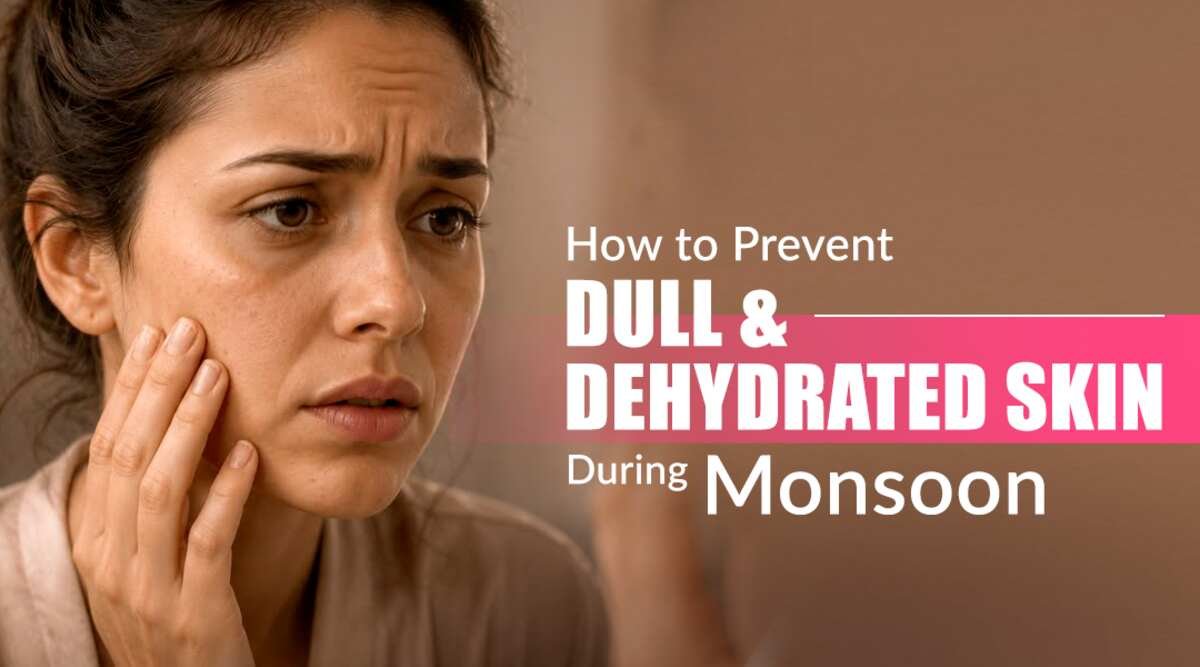
As humidity rises during the monsoon season, Dermapuritys is drawing attention to a commonly misunderstood skin concern: the face may look oily while still being dehydrated underneath.
During monsoon, the skin can become oily very quickly. The forehead may look shiny, and sweat may gather around the nose. But the cheeks can still feel dry, rough, or tight.
Dermapuritys wants people to know about this common monsoon skin problem. People wash their face too often to remove oil. This can also remove the moisture that the skin needs.
The answer is not a long skincare routine, but switching to a better one. This difference matters in the longer run.
Why the Face Can Look Tired in Humid Weather
Monsoon brings sweat, dust, and more oil on the skin. People often wash their face every time it feels sticky. They may also use strong cleansers, scrubs or products that promise quick oil control.
For a while, the face may feel very clean. Soon after, it may feel stretched or dry. This happens because the skin has its own protective layer. It keeps moisture inside and helps protect the face from outside dirt. Harsh products can disturb this layer.
Once that happens, the skin may lose water more easily. It may look flat, rough, or dull. It may also become more sensitive than usual.
The team at Dermapuritys first checks whether the problem is oil, dehydration, irritation, or a mix of all three. This helps the dermatologist choose care that suits the person.
A Clean Face Should Not Feel Tight
Washing the face during monsoon is important. It helps remove sweat, sunscreen, makeup and dirt. The problem starts when cleansing becomes too frequent or too harsh. For most people, washing once in the morning and once before sleeping is enough. Another wash may be useful after a workout or heavy sweating.
A mild face wash should leave the skin fresh, not sore. But if the face starts burning, turning red, or feeling very tight, the product may be too strong for your skin.
Dermapuritys advises patients to notice these small signs. Skin often shows that a product is not working before the problem becomes serious.
Use clean fingers to wash the face, as hard brushes are not needed. After washing, gently pat the skin dry with a soft towel instead of rubbing it.
Moisturiser Is Not the Enemy of Oily Skin
Many people stop using moisturiser as soon as the weather becomes humid. Their reason is simple. The face already looks oily, so adding moisturiser feels wrong.
A moisturiser helps the skin hold water. When the skin does not have enough water, it may look tired and feel rough even though there is oil on top.
Dermapuritys helps patients choose skincare based on how their skin behaves. The clinic’s dermatologists also consider acne, dark spots, sensitivity and any products the person is already using.
Moisturiser can be applied soon after washing the face. The skin may still be slightly damp. This simple step can help the face feel softer without making the routine heavy.
Cloudy Days Still Need Sunscreen
Skin can still tan during monsoon. Dark spots may become deeper, and old acne marks may appear more noticeable.
For this reason, sunscreen remains part of the monsoon skincare advice given at Dermapuritys.
A broad-spectrum sunscreen with SPF 30 or more can be used every day. In monsoon weather, a light formula may feel easier to wear. A water-resistant option may also be useful for people who sweat a lot.
Simple Care, Backed by Dermatologists
Monsoon skincare does not need ten different steps. A mild cleanser, a suitable moisturiser and daily sunscreen can be enough for many people. The products simply need to match the skin.
When itching, burning, peeling, redness or repeated breakouts continue, it is better to speak to a dermatologist rather than keep trying new products.
Dermapuritys offers personalised care for concerns such as dullness, dehydration, acne, sensitivity and pigmentation. Its approach begins with understanding the skin and then choosing the next step carefully.
The clinic’s message for monsoon is simple: do not fight every drop of oil. Keep the skin clean, protect its moisture, and ask for expert help when it does not settle.