

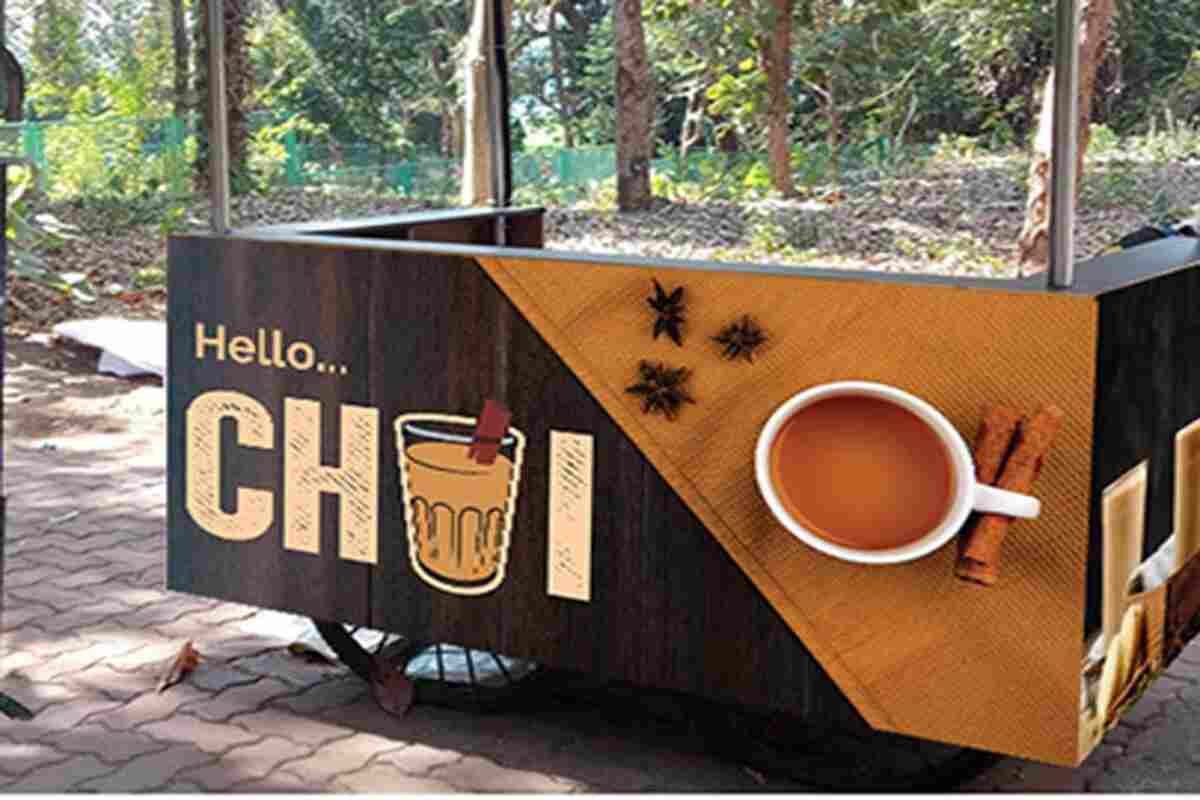
It’s often said that no job is small. While running a tea stall may seem modest, the earnings can surprise you. If you’ve ever considered starting a business with minimal investment, this could be your perfect opportunity. A tea stall is a low-cost venture that can recover your initial investment within 2-3 months and turn profitable quickly. Let’s explore how you can set up your tea stall and earn a steady income.
Step 1: Plan Your Tea Stall Setup
Starting a tea stall doesn’t require a significant investment initially. The success of this business relies on three key factors: location, quality of tea, and customer relationships. Offer a variety of beverages and snacks to attract more customers. Your menu can include:
- Masala tea
- Milk tea
- Green tea
- Herbal tea
- Coffee
- Light snacks like samosas, pakoras, and biscuits
Step 2: Identify Your Target Customers
Understanding your target audience is crucial. Cater to groups that consume tea regularly, such as:
- College students
- Office workers
- Commuters near bus or railway stations
Focusing on these segments ensures consistent demand. Providing hygienic, high-quality tea and snacks can also justify slightly higher prices.
Step 3: Create an Attractive and Clean Setup
Your stall’s appearance can influence your success. While a simple tea cart is sufficient to start, a visually appealing and hygienic setup attracts more customers. Consider enhancements like mirrors, signage, or fixed counters for a modern look. A clean, professional appearance encourages customers to pay premium prices for your offerings.
Step 4: Calculate Your Costs
Your investment will be split into two categories: fixed costs and variable costs.
1. Fixed Costs (one-time expenses):
- Tea cart setup
- Gas stove and cylinders
- Utensils and snack containers
- Standing tables
- FSSAI license (to avoid legal issues)
These expenses will amount to around ₹15,000–₹20,000.
2. Variable Costs (monthly expenses):
- Tea ingredients (sugar, tea leaves, milk)
- Snacks (samosas, biscuits, etc.)
- Gas refills
- Location rent (₹5,000–₹10,000, depending on the area)
In the first month, you’ll need around ₹50,000, including fixed costs. From the second month onward, monthly expenses will drop to ₹30,000, as fixed costs won’t recur.
Step 5: Estimate Your Earnings
Your profit depends on the price and volume of tea sold. For instance:
- Selling 100 cups of tea daily at ₹10 per cup will generate ₹30,000 per month. Subtracting costs, you’ll make a profit of ₹15,000–₹20,000.
- If you charge ₹20 per cup for a premium experience, your revenue can rise to ₹60,000 per month, leaving you with a profit of ₹45,000–₹50,000.
Adding snacks, coffee, and green tea to your menu can further boost your earnings to ₹50,000–₹60,000 monthly.
Conclusion: A Profitable Small Business
With an initial investment of just ₹50,000, running a tea stall can be a lucrative business. A clean, well-maintained stall in a prime location ensures consistent customers and a steady monthly profit. By offering quality products and excellent service, you can turn this small venture into a rewarding livelihood.